A Spelman crowning controversy has students, alumni and outsiders wondering if one crown truly fits all?
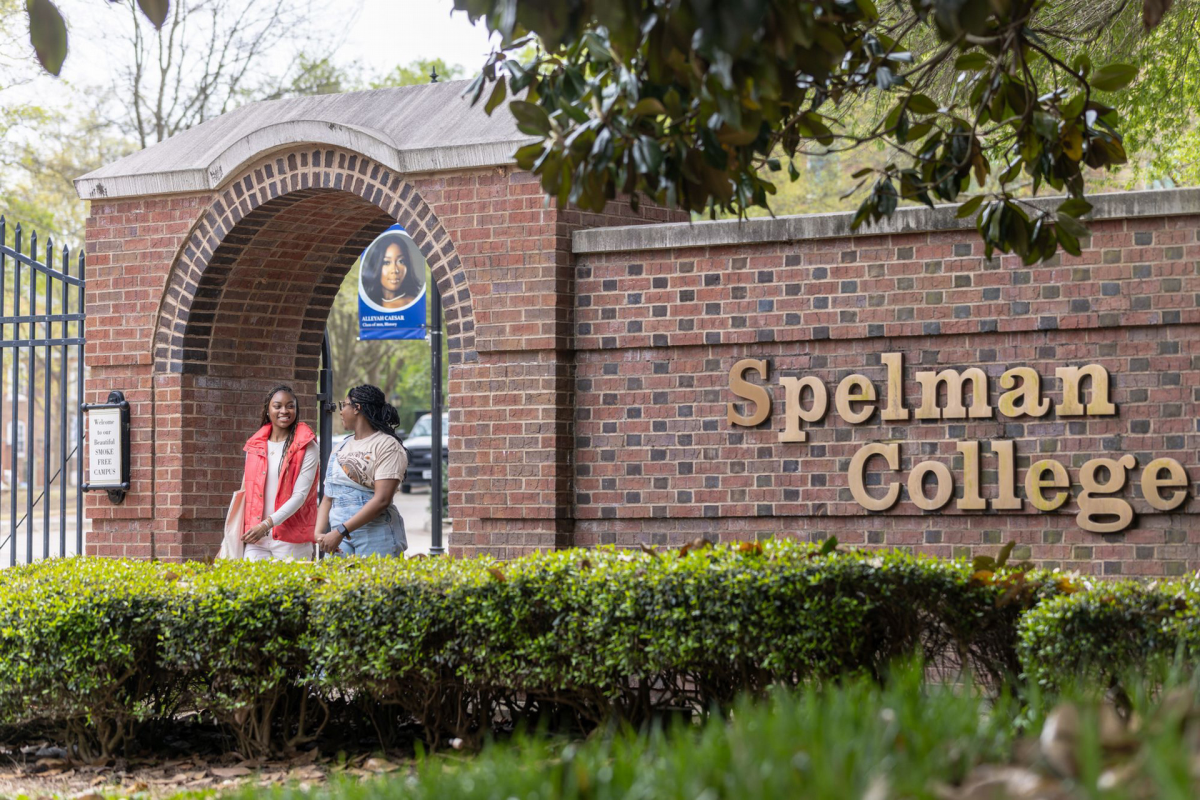
For over four decades, the Miss Spelman pageant at Spelman College has been a celebration of elegance, intellect, and legacy.
Known for its witty introductions, playful jokes and creative speeches, the pageant has long stood as a defining tradition on campus with one winner being chosen to represent the institution for the academic year.
This year, that tradition was broken.
On April 11, 2026, Kinsley Wilson was announced as Miss Spelman, stepping into a moment that marked the culmination of weeks of preparation and years of ambition.
But less than a week later, on April 17, the college released a brief statement revealing a scoring miscalculation.
Reports online have stated Jillian Collier won the categories of judge’s vote, private interview and artistic expression which supposedly was supposed to make her the singular winner.
Rather than naming a new sole winner, the administration made an unprecedented decision: both Wilson and Collier would share the title as co-Miss Spelman for the 2026–2027 academic year.
While the college stated through Instagram the move was made “to honor the excellence and admiration these scholars deserve,” it offered little additional explanation.
This put Spelman College administration in the hot seat about transparency and what goes on behind the scenes.
No detailed scoring breakdowns have been released, and comments on official platforms were disabled causing students, alumni and curious viewers online to be left wondering how the Miss Spelman responsibilities will be split and more importantly, what happened?
The idea of co-queens, though positioned as a solution, challenges the foundation of the title itself.
Traditionally, Miss Spelman represents a singular voice where one woman is entrusted with embodying the institution’s values and leadership. Now, many are left wondering whether a divided crown carries the same significance as one earned individually.
For some, the controversy may feel familiar.
In 2006, Terricha Phillips was initially crowned Miss Spelman before being reassigned to third runner up, with Ashley Moss ultimately receiving the title. While the decision sparked debate, it ultimately concluded with a single winner unlike this year’s outcome.
The controversy may not be all black and white.
The grey area between is leading a narrative of intentional foul play between the scoring system and crowned winners. Suspects online claim Kinsley may have had help from Greek life and even going as far to say that her family possibly paid the scoring administration.
Whilst the truth is still unknown, Spelman has done little to clear up the rumors circling online.
Speculators online have criticized the school for not protecting the court from online harassment and bullying. Antagonizing comments have been made about both candidates attacking their character and qualifications for crowning.
Jailah Salley is a sophomore economics student at Spelman College.
“Everything with the pageant is a scoring issue. I don’t believe people should be attacking the contestants, especially [since] a lot of people didn’t even attend Spelman College. I am intrigued on how a co-crown will work cause we have never seen it before,” Salley says.

Spelman put out a statement via Instagram on April 23 addressing the cyberbullying but proposed no viable solution other than asking viewers to step away from their screens and think twice before posting.
The comments have been left on where viewers are demanding Spelman to take accountability and cease the silencing of the student body.
Rayven Barnes, a sophomore political science student, is an Aggie who frequently keeps up with current HBCU news and traditions online.
Barnes expressed to the Register that, “In a time where Black culture is being erased and targeted, unity is very important. It’s very disheartening to see so many issues behind college level elections and I believe we should really take a step back and see how this affects people.”
What should have been a moment of celebration has instead become a broader conversation about accountability, fairness, and institutional trust.
In choosing to crown two queens, Spelman preserved both students’ recognition but left lingering uncertainty in its wake.
As Wilson and Collier step into a shared role, representing a legacy built on singular distinction, one question continues to surface:
Can one crown truly belong to two?